Understanding Gout:
A Story of Flow
"Imagine your body as a city with rivers running through it."
Uric acid is one of the many by-products moving along those rivers every day. It’s normal. Everyone makes it. Most of the time it stays dissolved, flows to the kidneys, and quietly leaves the city.
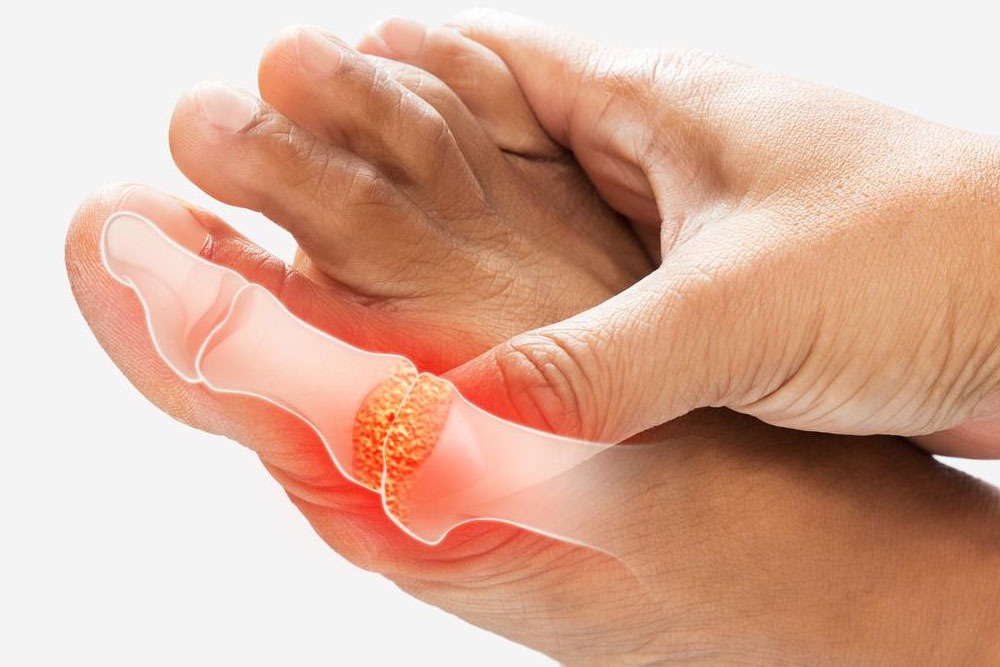
What happens when the river slows down? Maybe the channel narrows. Maybe debris builds up. Maybe the water level drops. The flow gets sluggish. Things that usually pass through start lingering.
Sluggish Rivers & Sharp Crystals
Think of salt settling at the bottom of a pot when water evaporates. As the water slows and concentrates, the uric acid begins to change state.
It’s still the same substance—but now, instead of floating freely, it forms tiny sharp crystals. The tissue responds to help: swelling up, heating the area, and sending pain signals.
What about Genetics?
People often ask: "If I've had this gene my whole life, why now?"
The Tide Line
Some are born with systems that clear waste a bit more slowly. Their internal “tide line” sits closer to the surface.
Local Physics
Uric acid doesn’t randomly choose a joint. It settles where fluid movement is slower, temperature is lower, or pressure is higher.
Sudden Flare
Flow can slow temporarily due to dehydration, stress, cold, or reduced movement—pushing local tissue over the edge.
Genes decide the capacity of the river. You decide the conditions of the water.
The Biological Syndrome
The Kidney Collecting Tubes
In GNM, the "Syndrome" happens when you have an active Existence/Abandonment Conflict.
When the brain feels its survival is threatened (like a "fish out of water"), the kidneys close up to retain water. This water retention magnifies the swelling in any other healing joint—turning a minor repair into an intense Gout flare.
Fascia: The Living Matrix
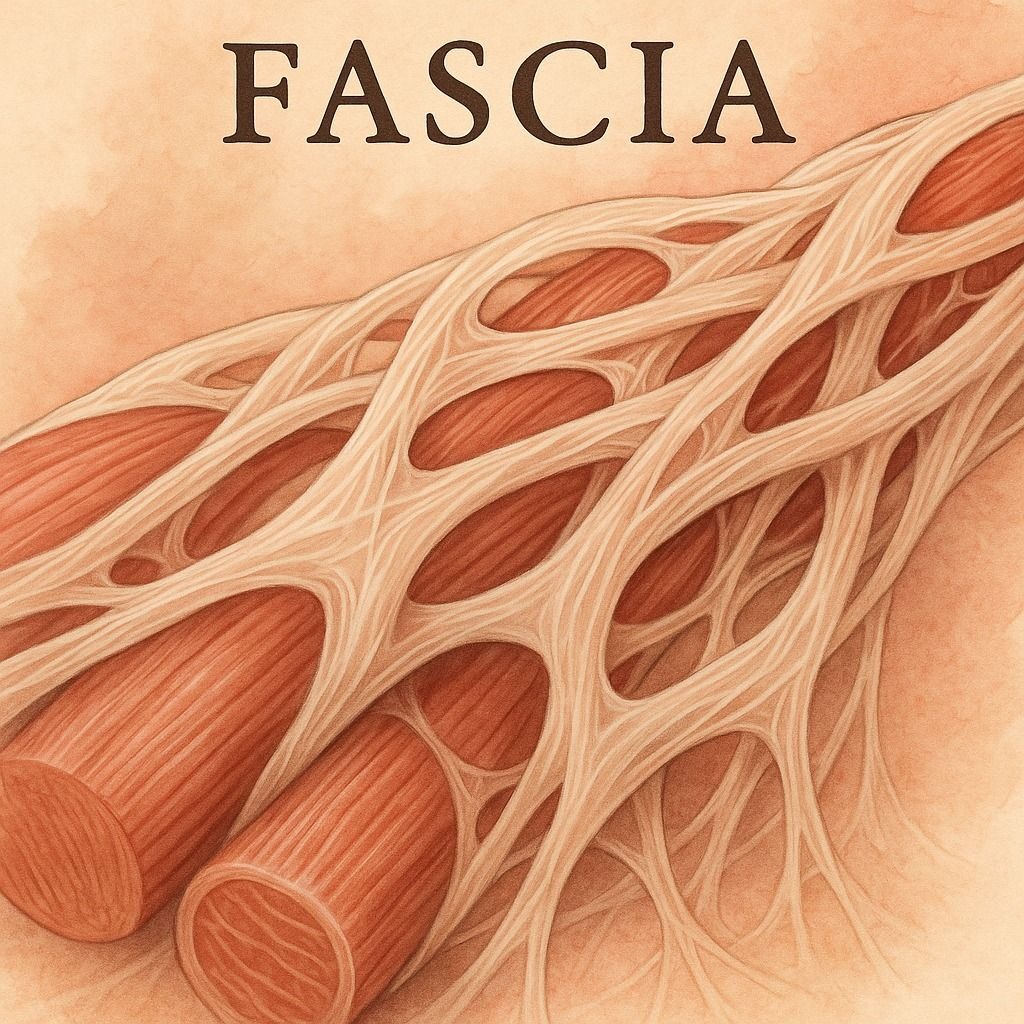
If fascia is dense and dehydrated, it’s like a squeezed sponge. It compresses everything it holds—including the blood vessels and nerves.
Where fascia is blocked, old cells accumulate and waste products (like uric acid) can't escape. To get the flow back, we must learn to unwind and decompress.
Socks, Shoes & Compression
Our toes are far from the heart, cool down faster, and deal with repetitive pressure. When we add weight to a compromised foot and confine it to a smaller space, we create a trap for crystals.
The Foundation
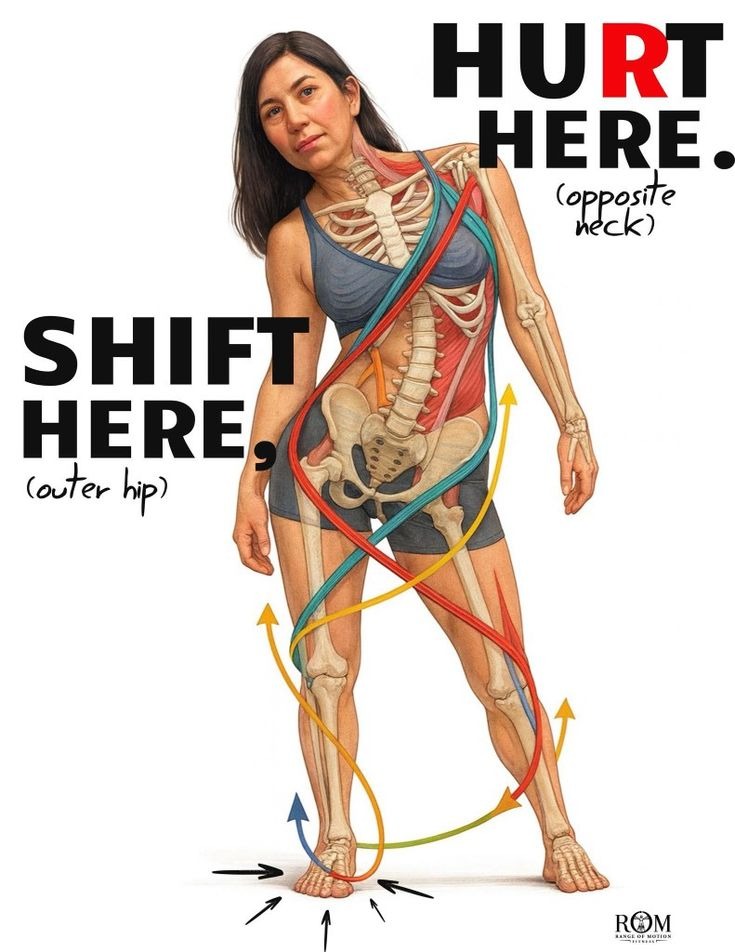
Tight Socks: Pull already compromised feet into tightly bound positions, creating instability higher up.
Narrow Shoes: Reshape structure and environmentalize the joint for crystal formation.
Where does it go?
When everything flows, uric acid exits through two main routes:
The Kidneys
The primary wastewater plant. Constant filtering and release.
The Gut
Bacteria breakdown and elimination. Critical during kidney pressure.
The Barriers
Insulin spikes, stress, and dehydration "lock" these exits.
Plan for Lasting Change
To shift the threshold, we work with 5 key pillars:
Purified water + tiny bit of salt.
1 min circular movements on the area.
Check socks, shoes & load.
PH balanced food & fluids.
Resolve the 'Fish out of water' shock.
The 4-Minute Ritual
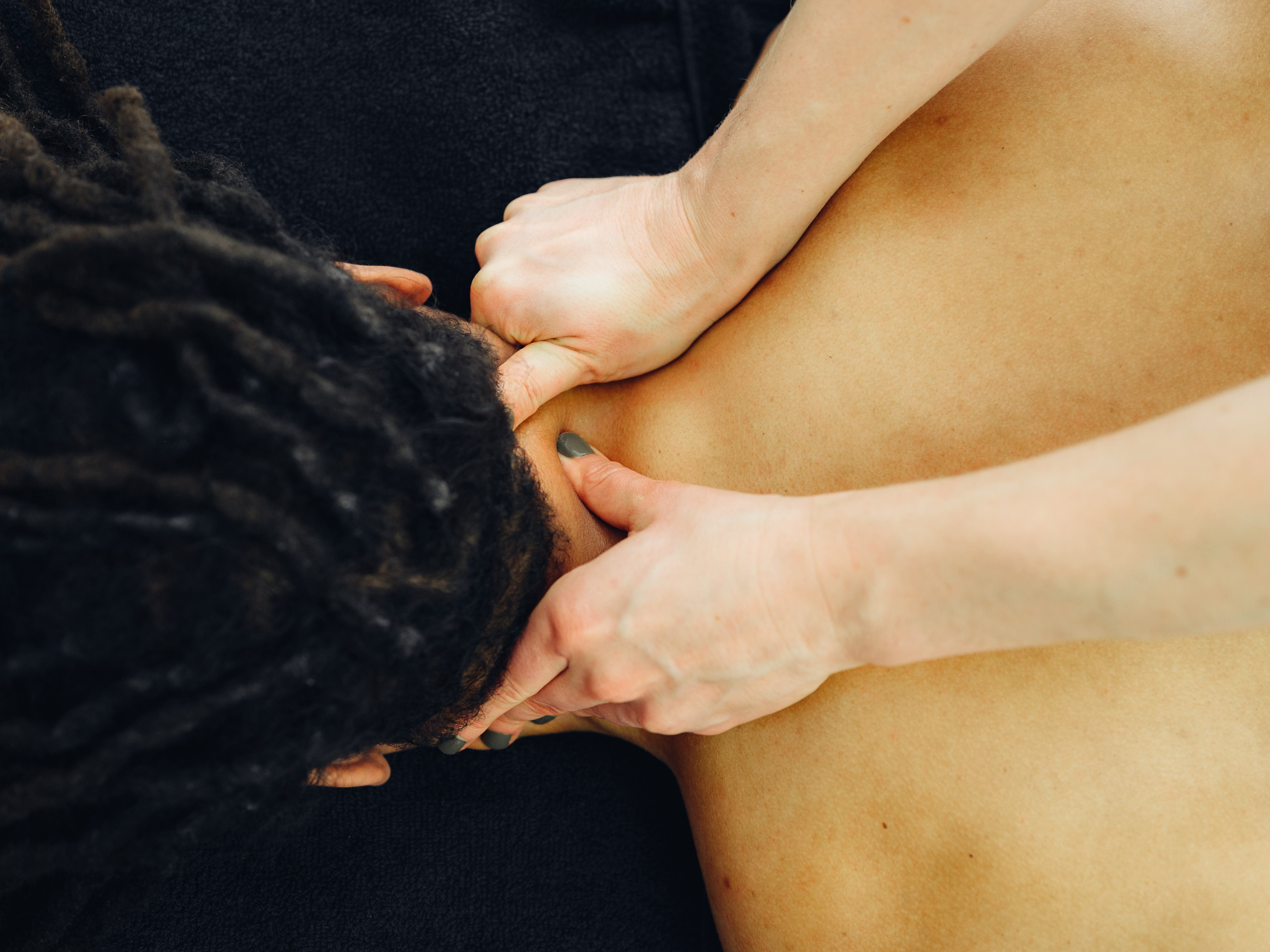
Spend 4 minutes on each foot: 1 min warming + 3 min hold on the most sensitive spot (40-60% pain threshold). This teaches the fascia to unwind.