Part 1: Foundation & Action

The Invisible Baseline

Your guide to energy, mood, and practical blood sugar balance.
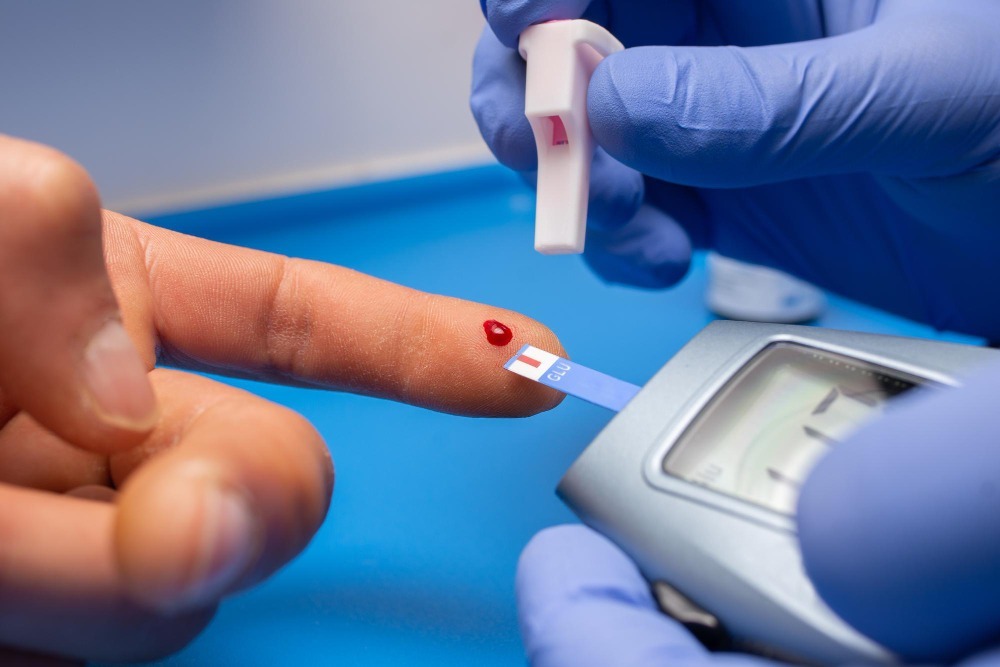
Close-up of a finger prick blood glucose test
A practical education series by
Hanlie Theron Co.

Have you noticed these patterns?

  • 🥱The 3 PM energy crash that only coffee can fix
  • 🧁Intense cravings that override your best intentions
  • 🌀Brain fog or "scattered" focus after a meal
  • 😤Feeling "hangry" or unusually reactive when you haven't eaten
  • These are not character flaws. They are the physiological language of your blood sugar.

    Chapter 1

    What is Blood Sugar, Really?

    Close-up of a finger prick blood glucose test

    This booklet is here to help you understand Wait, let's keep it simple: Glucose is fuel.

    Glucose is fuel. Every single cell in your body uses it. Your brain alone uses about 20% of your total daily energy — and it runs almost exclusively on glucose. Your muscles use it to move. Your heart uses it to beat.

    When you eat carbohydrates, digestive enzymes break them down into glucose. That glucose enters your bloodstream. Insulin is then released to open the "doors" to your cells and let the glucose in.

    The goal isn't "zero sugar" — it's stability. High peaks and deep valleys are what create the symptoms we feel.

    Chapter 2

    The Morning Effect: Why Your Breakfast Matters Most

    Peer-reviewed studies consistently show that high-glycaemic breakfasts increase post-meal glucose spikes and contribute to increased hunger throughout the day.

    🥣

    The Breakfast Trap

    Many traditional breakfasts — toast, cereal, fruit juice, or sweetened coffee — are high in refined carbohydrates. These create a large glucose spike shortly after eating.

    The result: A sharp insulin response that causes glucose to drop rapidly, often leading to hunger and fatigue within 2-3 hours. This "rollercoaster" then dictates your cravings for the rest of the day.

    "If you start your day with a sugar spike, you are fighting your biology for the next 24 hours." — Jessie Inchauspé (Glucose Goddess)

    A balanced protein-rich breakfast with eggs and greens

    Stability starts with your first meal

    Chapter 3

    The Brain & Mood: Why You Feel "Edgey"

    Your brain is the most metabolically expensive organ in your body. It relies on a steady, consistent supply of fuel. When glucose levels spike and then crash, your brain feels it immediately.

    During a glucose crash, your body triggers a rescue response, releasing adrenaline and cortisol to bring levels back up. While this is protective, it also triggers the physical sensations of anxiety, irritability, and panic.

    "Many of my clients find that when they stabilise their glucose, their 'anxiety' doesn't disappear, but it becomes much easier to manage because their physiology isn't screaming at them."

    Abstract neural connections and brain activity
    • 🧠Brain fog and difficulty concentrating
    • 😖Increased irritability and "short fuse"
    • 📉Energy dips that feel like low mood
    Quick Win → Your Morning

    The Protein Anchor

    One of the most powerful habits you can adopt is leading with protein in the morning. Protein slows the absorption of any carbohydrates eaten alongside it, creating a flatter, more stable curve.

    ✅ Simple Protein Starts:

    • 🍳2-3 eggs (any style) with greens
    • 🥣Greek yoghurt with nuts and seeds
    • 🥤A protein smoothie (low-sugar fruits)
    Chapter 4

    It's Not Just About Food

    Your glucose reflects your entire life context. Tap a factor to explore how it connects.

    😤 Stress
    😴 Sleep
    🥗 Meal Order
    💧 Hydration
    Chapter 5

    Practical Strategies — Starting Simple

    The goal is to smooth the spike, one small shift at a time. These shifts in sequencing or pairing are often more sustainable than restriction.

    1. Sequence Your Food

    Eat in this order to reduce spikes by up to 37%:

    ① Vegetables (Fibre)
    ② Protein & Fats
    ③ Carbohydrates Last

    2. Move After Eating

    Even 10 minutes of light walking after a meal uses glucose directly through muscle contraction, significantly lowering the peak.

    🚶

    ✅ This Week's Commitment

    Choose one habit to focus on this week. Small steps lead to big shifts.

    Lead with protein at breakfast
    Eat my vegetables before my carbs
    10-minute walk after lunch or dinner
    🧬

    You've mastered the Foundation.

    In Part 2: The Biological Blueprint, we go deeper. Discover the wisdom of your organs, the true nature of inflammation, and how to protect your vitality for the long term.

    What's inside Part 2:

    • 🫁GNM: The Wisdom of Your Organs
    • 🔥Inflammation Decoded
    • 💧Liver & Lymph: The Managers
    • Vitality & Longevity
    Continue to Part 2: The Blueprint →

    Or back to Resources